Colossal Biosciences raises 120M to advance Dodo bird deextinction efforts
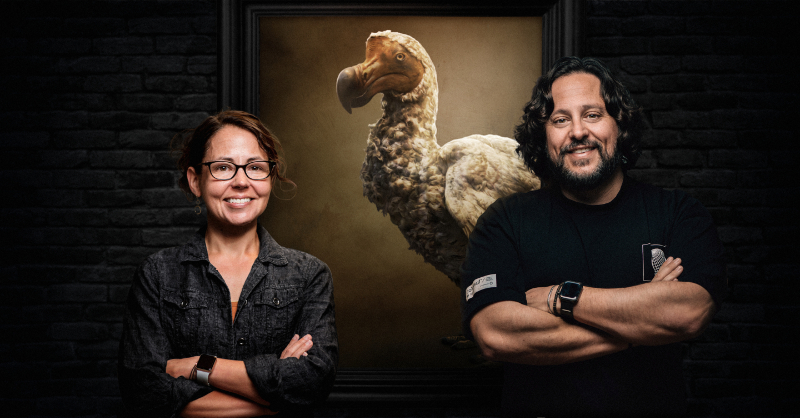
Colossal Biosciences, the Dallas-based de-extinction startup, has announced scientific progress that brings the once-lost dodo bird a step closer to potential revival. The company’s Avian Genetics Group has successfully cultured primordial germ cells (PGCs) from pigeons, a crucial step in bird de-extinction technology.
Recently, Colossal raised an additional $120 million in a funding round, adding to the earlier capital raised. This fresh funding includes support from investors like the U.S. Innovative Technology Fund and notable early backers. The company’s valuation has grown, reflecting strong confidence in its ambitious mission to reshape conservation through genetic innovation.
The fresh funding has pushed Colossal’s valuation past $10.3 billion, cementing its place among the most valuable private ventures in science and technology.
While Colossal has previously made strides with mammals such as the dire wolf and woolly mammoth, resurrecting birds presents a tougher challenge. Unlike mammals, birds cannot be cloned using traditional methods. Instead, PGCs are required to transmit edited DNA to the next generation. Colossal’s work centres on the Nicobar pigeon, the dodo’s closest living relative. By developing dodo-specific PGCs within these pigeons, scientists hope to eventually produce fertile eggs that could hatch dodo chicks.
This achievement is significant because it represents the first successful culture of PGCs beyond chickens and geese. It not only unlocks the pathway for the dodo’s potential return but also opens doors for reviving other extinct avian species, such as the moa, a towering 12-foot flightless bird once native to New Zealand. With the groundwork laid, Colossal now faces the long process of editing DNA and guiding surrogate species toward producing the first generation of dodos.
Founded in 2021 by Harvard geneticistGeorge Churchand billionaire entrepreneurBen Lamm. Colossal’s mission extends beyond the thrill of bringing ancient creatures back to life. The company has assembled the Mauritius Dodo Advisory Committee to prepare the island’s ecosystem for the bird’s reintroduction, ensuring that conservation efforts accompany any de-extinction milestones.
The company also collaborates with 60 conservation partners worldwide. For example, its expertise is applied to safeguarding critically endangered species like the red wolf, once widespread across North America but now teetering on the edge of survival. By refining tools for extinct species, Colossal can simultaneously strengthen methods to preserve living ones, linking futuristic science with urgent conservation needs.
Recent projects highlight this dual purpose. Colossal made headlines when it announced the revival of dire wolf pups, named Remus, Romulus, and Khaleesi, although debate continues over whether they are true dire wolves or genetically identical replicas. Regardless, the breakthrough illustrates how de-extinction research can drive advances relevant to both lost and endangered species.

Published on Other News Site







Recommended
Sodann schlie?t BetsAmigo welches Rangordnung ein Top-2 Verbunden...
02 April, 2026 | 2 readers
Anabolisants et efficacité en combustion des graisses
02 April, 2026 | 2 readers
Immortal Romance Vein out of Silver Stormcraft Studios Banana Spl...
01 April, 2026 | 2 readers
Descubra uma Seleção Antiióàico infantilidade Slot online Pil...
01 April, 2026 | 2 readers
Juguetear Gonzo's Quest Gratuito ¡Explora desplazándolo hacia e...
01 April, 2026 | 2 readers
Trending This Week
Related News
Sodann schlie?t BetsAmigo welches Rangordnung ein Top-2 Verbunden-Casinos bedingungslos erst als
2 April, 2026| 0 readers
Anabolisants et efficacité en combustion des graisses
2 April, 2026| 0 readers
Descubra uma Seleção Antiióàico infantilidade Slot online Pilot Jogos
1 April, 2026| 0 readers
How HGH Accelerates Recovery After Intense Training
1 April, 2026| 0 readers
Det finns flera positiva aspekter med Super Money casinobonus
1 April, 2026| 0 readers