Stablecoins Beyond Trading: New Use Cases
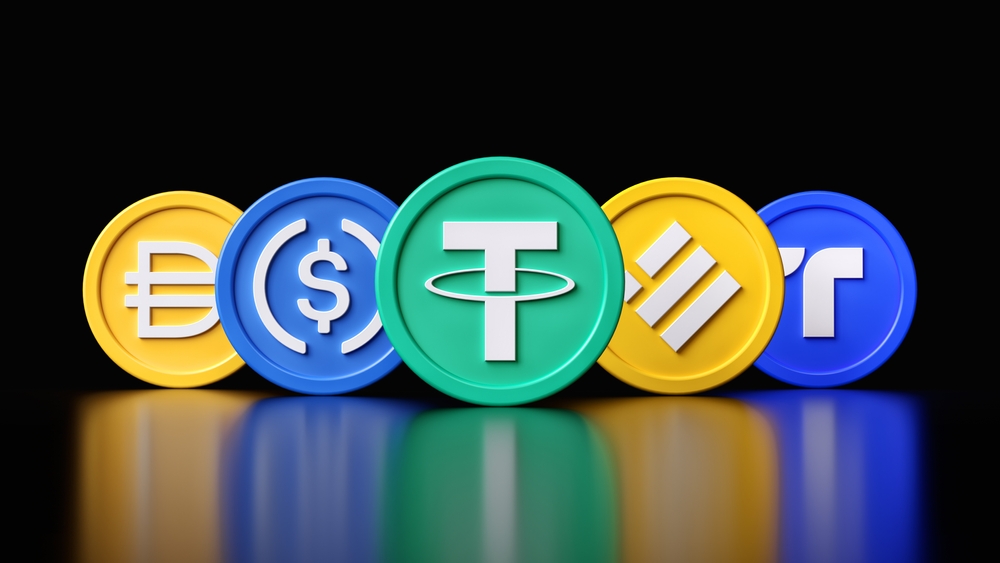
Ever thought stablecoins were just handy tools for trading crypto? Think again. Stablecoins like USDT and USDC are quickly becoming part of our everyday lives, far beyond the walls of crypto exchanges. Could these cryptocurrencies actually transform our daily finances? Let’s find out together.Today, I’ll walk you through the hidden potential of stablecoins, showing you how they’re set to simplify how we send money, handle payments, and conduct global business. Curious about how stablecoins will impact you directly? You’re in the right place.You’ve probably already experienced the outdated hassles of traditional financial systems—agonizingly slow bank transfers, confusing fee structures, and the headache of sending money abroad. But can stablecoins help us overcome these hassles?Picture this: You’re sending money overseas to family or friends. Traditional bank transfers might take days (sometimes even weeks!) and charge hefty fees, especially for international transactions. Even current digital payment systems like PayPal aren’t immune to high charges and lengthy processing times.How frustrating is it when your urgent transfer gets tangled up in bureaucratic red tape or banking holidays?This is where stablecoins step in. Built on blockchain technology, stablecoins offer:A recent study by Deloitte showed how blockchain-based payments could reduce transaction fees by as much as 40-80% compared to traditional payment networks. Imagine the savings you’d experience over time!If small or medium-sized businesses needed one major upgrade, it’d be in the payments department. Whether importing products internationally or paying freelancers globally, businesses don’t escape complex, slow, and costly traditional payment systems easily.Wire transfers across borders usually require banks to pass through multiple intermediaries, each adding delays and extra fees—costs that ultimately pile onto the businesses’ bottom lines.According to a McKinsey report, the average cost of international business-to-business (B2B) payments still ranges between $30 to $50 per transaction. Multiply that by dozens or hundreds of payments monthly, and you’re dealing with astronomical fees!Enter stablecoins to the rescue again. Companies from the U.S., Europe, and Asia are already experimenting with stablecoins to simplify international payments, slashing costs and red tape:The advantages of stablecoins aren’t limited to hypothetical scenarios anymore; major companies like Visa and PayPal have already announced initiatives to include stablecoins in their ecosystems, signaling wider business adoption ahead.So, how exactly do stablecoins achieve this financial magic, and what else could they do beyond easing everyday payments? Stay with me—we’re about to explore exactly how these digital tokens work, how they’re secured, and other exciting stablecoin use cases that you probably haven’t imagined yet.If you’ve heard about stablecoins but you think their only purpose is making crypto trades easier, you’re missing out on some pretty exciting developments. These cryptocurrencies are now stepping far beyond exchanges and into everyday life. Before I tell you about the groundbreaking uses in global payments and businesses, let me quickly give you a clear explanation of what stablecoins really are and how they’ve evolved.Think of stablecoins as crypto’s reliable cousin. Unlike Bitcoin or Ethereum, whose prices swing widely, stablecoins like USDT, USDC, and DAI are tied to a stable asset—usually to the US dollar or another fiat currency, though sometimes to commodities like gold. This simple connection to “real-world” assets keeps their prices steady and predictable.This stability eliminates volatility—the notorious crypto rollercoaster—making stablecoins trustworthy for real purchases, transfers, and transactions.Initially, stablecoins were mainly a tool for traders to move funds quickly between different cryptos and protect themselves from market ups and downs. They solved problems like slowing down transactions on exchanges and complicated fiat withdrawals.But as crypto adoption grew, stablecoins evolved too; they began catching attention far beyond exchanges. Big brands started noticing their potential for regular payments—in your favorite online stores and even local retailers. Researchers and businesses realized stablecoins could make banking and payments less costly and much faster, especially internationally.“Money is evolving. Tokens pegged to real-world value could soon reshape our entire financial landscape.” – Crypto researcher, 21Shares report.Stablecoins aren’t just a tech trend—they are quickly becoming critical tools for real-life money management, secure and instant payments, and everyday commerce. How exactly do stablecoins turn slow, expensive international transfers into effortless money movements? Keep reading, because things are about to get very interesting—and your next online transaction could completely change.Have you ever sent money overseas and ended up feeling frustrated because of long delays and hefty bank charges? Trust me, you’re not alone. Traditional international payment systems often leave much to be desired, and that’s exactly where stablecoins are starting to revolutionize how we send money around the globe.Picture this: your best friend moves abroad, and you owe him for that group birthday gift. Traditionally, it could take days for your payment to reach him; sometimes you even have to worry if it’ll get there intact. That’s because banks route your transactions through multiple intermediaries, each one costing extra fees and adding extra delays.Stablecoins offer a real solution. Because these tokens live on blockchain networks, your money can safely zip across the globe almost instantly—no lengthy approvals, no middlemen, just a smooth transfer in minutes or even seconds. A study by Deloitte highlighted that blockchain-based transactions reduce cross-border settlement times from days to mere minutes, directly improving cash flow efficiency for both businesses and individuals.We all hate hidden fees and exorbitant charges that banks and money transfer services like Western Union or PayPal throw at us. On average, traditional providers take almost 7% of what you’re sending internationally. Can you imagine losing $70 of every $1,000 sent to fees alone?Stablecoins slash these costs dramatically. By leveraging blockchain technology directly, transactions can cost a fraction of a dollar—no matter if you send $10 or $10,000. In fact, the World Bank recognized stablecoins’ role in reducing transfer costs significantly for users globally, especially in regions lacking fair and affordable banking access.“Stablecoins represent a promising tool to dramatically lower cross-border transaction expenses, helping financial inclusion across the globe.” — World Bank, 2021Imagine how this transforms life for migrant workers who regularly send money home, small businesses paying international suppliers, or anyone supporting family abroad. With more and more people discovering this more affordable alternative, stablecoins are fast becoming an obvious choice—not just for crypto enthusiasts, but for anyone wanting simpler, affordable international transactions.Want to know how stablecoins could simplify online shopping or even your next retail purchase? Keep reading—because the real-world adoption of stablecoins is only just taking off!Imagine effortlessly shopping online without worrying about pesky currency exchange fees or confusing checkout experiences. Sounds great, right? Well, stablecoins could soon make this a daily reality. Let’s look into how these digital currencies are shaping the future of ecommerce and retail.We’ve all been there—filling up a virtual shopping cart, ready to hit checkout, when suddenly you’re slowed down by payment method complications, currency conversions, or unexpected transaction fees. Stablecoins are stepping in as a seamless and user-friendly payment method that might finally eliminate those frustrations.“By facilitating instant, secure, and hassle-free transactions, stablecoin adoption could mean fewer abandoned carts, happier customers, and increased sales.” – Deloitte, Payment Trends Survey (2022)With growing adoption, businesses see stablecoins as a win-win scenario—customers gain convenience and clarity, while merchants benefit from faster cash flow, lower risk from currency fluctuations, and significantly reduced transaction fees.You might be asking yourself, “Sure, ecommerce sounds great, but what about the physical stores I actually walk into?” Here’s the exciting news: stablecoins are gaining momentum even beyond your online shopping cart!Clearly, stablecoins aren’t some fleeting trend—they’re becoming an integral part of the retail ecosystem, bridging digital crypto adoption with conventional consumer spending habits.This leaves us wondering, could stablecoins also become fundamental to how we invest, lend, or even farm yields? Stay tuned—because stablecoins might just have even bigger surprises right around the corner.If you’ve ever tried traditional loans, you probably know how slow and frustrating the process can be. Lengthy paperwork, endless approval steps, and opaque fees—it’s enough to drive anyone nuts. That’s why I’m fascinated by how stablecoins are radically simplifying lending, borrowing, and even investing in the DeFi ecosystem.Traditional finance institutions have always required middlemen for lending money, making loans slower and harder for many individuals and businesses. Stablecoins are flipping that dynamic upside-down by enabling peer-to-peer lending and borrowing without big banks or old-school intermediaries.Platforms like Aave, Compound, and MakerDAO offer stablecoin-based lending solutions where you can secure quick loans easily. For example, you can provide stablecoins like USDC or DAI as collateral to borrow funds instantly and at much lower interest rates than bank loans. According to a report by Cointelegraph, borrowing through decentralized finance protocols averages significantly lower rates compared to traditional bank loans—in some cases, even up to 50% cheaper!And there’s another fun fact I found recently. An analysis from Chainalysis showed DeFi stablecoin lending volumes grew over 600% between 2020 and 2022. This highlights just how quickly stablecoins are taking center stage as hassle-free lending options.Not much of a risk-taker? You might think DeFi’s ‘yield farming’ sounds complicated or risky, but stablecoins bring a reassuring sense of stability. Yield farming with stablecoins lets people earn passive income by providing liquidity without exposing themselves to the volatile swings typical of standard crypto tokens.“Stablecoins have become a powerful force in DeFi because they bridge stability with innovation.” — Rafael Cosman, Co-founder of TrustTokenThink about it—earning consistent passive income through stablecoin-related yield farming is faster, simpler, and safer than investing in traditional markets with complex entry barriers and fluctuating market risks. Sounds appealing, doesn’t it?But here’s the real kicker—if stablecoins have transformed lending and investing so dramatically, could they soon revolutionize how we receive everyday salaries and compensation? Let’s keep exploring, because payroll via stablecoins is closer than you might think.Imagine checking your phone on payday and seeing that your salary has arrived immediately—no delays, no expensive transaction fees, and no messy currency conversions. Sounds pretty appealing, right? Believe it or not, this is already becoming a reality with stablecoins.Today, more businesses around the world are cutting ties with traditional payroll headaches to pay employees with stablecoins like USDT and USDC. Let’s take a quick look at how stablecoins simplify employee compensation and why more companies are jumping onboard.Time is money, especially when it comes to salaries—and nobody enjoys waiting days for transfers, suffering unexpected fees from traditional bank wires, or watching foreign exchange rates gobble up their hard-earned paychecks.“Companies paying salaries in stablecoins see costs drops by as much as 75%, mainly through bypassing high foreign exchange rates and wire fees.” — Circle, Issuer of USDC Stablecoin.Stablecoins solve these problems beautifully. Instead of using an outdated banking system, companies can instantly and effortlessly send salaries to the digital wallets of their employees anywhere in the world:One well-known instance is Bitwage, a payroll startup letting businesses pay workers in stablecoins, making cross-border payroll a breeze. This approach isn’t theoretical: multiple global companies from tech startups to freelancers already use stablecoins as part of their routine.Imagine you’re a talented professional from a country struggling with currency volatility or banking issues. Wouldn’t you prefer compensation delivered safely, instantly, and securely? Companies that embrace stablecoin payroll systems are discovering a powerful new competitive advantage: easy access to global talent.Thanks to stablecoins, remote teams spread across continents can enjoy standardized payroll processes without the complexity, paperwork, and expensive bank charges:Platforms like Deel, a global payroll provider, have already incorporated stablecoins to streamline international hiring, proving this concept is no longer fringe—it’s becoming mainstream.So can stablecoins truly transform other critical areas of our lives, like humanitarian aid or charity? Keep scrolling because you’re about to find out how stablecoins are already saving lives and making meaningful change in communities worldwide.Imagine donating money to a charity, knowing precisely where your funds are going, instantly and transparently—without the friction and fees that normally eat away at your generosity. It sounds pretty amazing, right?Well, stablecoins are changing the rules of charitable giving and humanitarian aid, making donations more effective than ever before.One of the biggest frustrations about giving to charitable causes has always been uncertainty around how much of your donation actually reaches the beneficiaries and how soon it arrives. Stablecoins solve this pain point by enabling rapid transaction movements across borders without banks or intermediaries slowing things down or carving off their share in fees.A recent pilot program by UNICEF proved just how effective stablecoins can be for aiding humanitarian efforts worldwide. In 2021, UNICEF’s CryptoFund leveraged Ethereum-based stablecoins to transfer donations quickly during emergencies, drastically speeding up financial aid delivery compared to traditional channels.“The transparency and speed provided by blockchain and cryptocurrencies help dramatically enhance the efficiency and impact of humanitarian assistance.” – UNICEF Office of InnovationStablecoins aren’t only a theoretical game changer; they’re already making tangible differences across several charity projects. Here are a few inspiring examples:Stablecoin-based donations aren’t just faster transactions—they represent life-changing help delivered exactly when people need it the most.Curious to learn more about the incredible potential and future possibilities stablecoins hold for society? How exactly do payment giants like Mastercard and VISA respond to these new ways of moving money? Let’s find out.If you’re anything like me, then you’re probably excited about stablecoins becoming part of everyday money management. But there’s a lot more happening behind the scenes, and it pays to stay informed so you can stay one step ahead. I’ve come across some fascinating resources highlighting how stablecoins are rapidly reshaping our financial interactions and changing the game for businesses, big and small. Let me share a couple of my favorites with you:21Shares Research recently published an insightful report showcasing exactly how big name payment players like Mastercard, Visa, and PayPal are rapidly adopting stablecoins. The takeaway? Stablecoins are no longer just a tool for connecting traditional finance with crypto—they’re becoming integral to mainstream payment infrastructure.The integration of stablecoins by these major payment providers means that your everyday transactions could soon become quicker, cheaper, and more convenient than ever. Imagine paying for groceries or subscriptions instantly, directly through stablecoins, with lower fees and fewer middlemen. That’s the shift we’re witnessing today. Curious yet?If the immediate adoption by giants like PayPal wasn’t enough to pique your curiosity, you may want to see what’s coming down the pipeline. A fantastic article by RedotPay digs into stablecoin use cases that are set to revolutionize finance before 2025 rolls around. They’ve identified several areas where stablecoins might become go-to solutions, from enhanced supply chain payments to innovative savings accounts offering impressive yields without traditional banking limitations.Just imagine—by 2025 you could be receiving your paycheck instantly via stablecoins, contributing effortlessly to global charity efforts with greater transparency, or even getting mortgages and loans without ever stepping foot inside a traditional bank. Exciting times ahead, isn’t it?We’ve only scratched the surface. Want to know exactly how you can safely start using stablecoins in your everyday life right now? Stick around—I’ll give you practical tips and answers to your most pressing safety concerns next!Stablecoins aren’t just about crypto exchanges or market speculation anymore—they’ve become practical, powerful, real-world solutions. Whether you’re paying bills, hiring employees internationally, shopping online, or donating to your favorite charity, stablecoins open up a lot of new opportunities right at your fingertips. But you might wonder: Where do I even start?If you’re looking to kick off your stablecoin journey beyond the trading realm, the good news is it’s now simpler than ever.Remember, you don’t have to fully ditch your old bank account overnight. Just dip your toes into these everyday applications of stablecoins, and you’ll quickly see their potential firsthand.Safety and reliability are natural concerns, especially since stablecoins handle your valuable funds. The good news is, using stablecoins for real-world activities is safe and secure, provided you take a couple of easy precautions:By following these simple tips, stablecoins will become not just a safe alternative, but a handy financial companion you’ll wish you discovered earlier.Stablecoins are quietly revolutionizing how we think about money—in ways many didn’t expect just a few years ago.Imagine a future where your salary instantly arrives in your wallet, where you effortlessly shop online or pay for coffee with stable digital cash, or where your donations transparently benefit those in need directly, with zero delays or interference.This isn’t a future vision—it’s here and available today. As stablecoins continue to revolutionize money and finance, there’s never been a better time to start exploring their potential beyond trading.Are you ready to give it a try? The power of stablecoins is already in your hands.I am an accomplished and enthusiastic business development professional who works in the crypto world from the roots of the blockchain and cryptocurrency economy environment.

Published on Other News Site








Recommended
Sodann schlie?t BetsAmigo welches Rangordnung ein Top-2 Verbunden...
02 April, 2026 | 2 readers
Anabolisants et efficacité en combustion des graisses
02 April, 2026 | 2 readers
Immortal Romance Vein out of Silver Stormcraft Studios Banana Spl...
01 April, 2026 | 2 readers
Descubra uma Seleção Antiióàico infantilidade Slot online Pil...
01 April, 2026 | 2 readers
Juguetear Gonzo's Quest Gratuito ¡Explora desplazándolo hacia e...
01 April, 2026 | 2 readers
Trending This Week
Related News
Beyond tariffs and chaos — blockchain emerges as the backbone of a parallel economy
28 April, 2025| 107 readers
Beyond tariffs and chaos — blockchain emerges as the backbone of a parallel economy
28 April, 2025| 89 readers
Beyond Incentives: How to Build Durable DeFi
22 April, 2025| 85 readers
BEYOND Wealth Summit 2025 Set to Elevate Asia’s Role in Global Investment and Family Wealth
7 May, 2025| 84 readers
Beyond Bitcoin: Charting blockchain’s evolution to mainstream utility
28 May, 2025| 67 readers
Beyond digital gold, Bitcoin’s next chapter is about to be unlocked — Dan Held
8 May, 2025| 54 readers
Volmex's Bitcoin and Ether Volatility Futures Top $10M in Volume in First Month as Traders Look Beyond Price
25 July, 2025| 38 readersRelated Peoples